
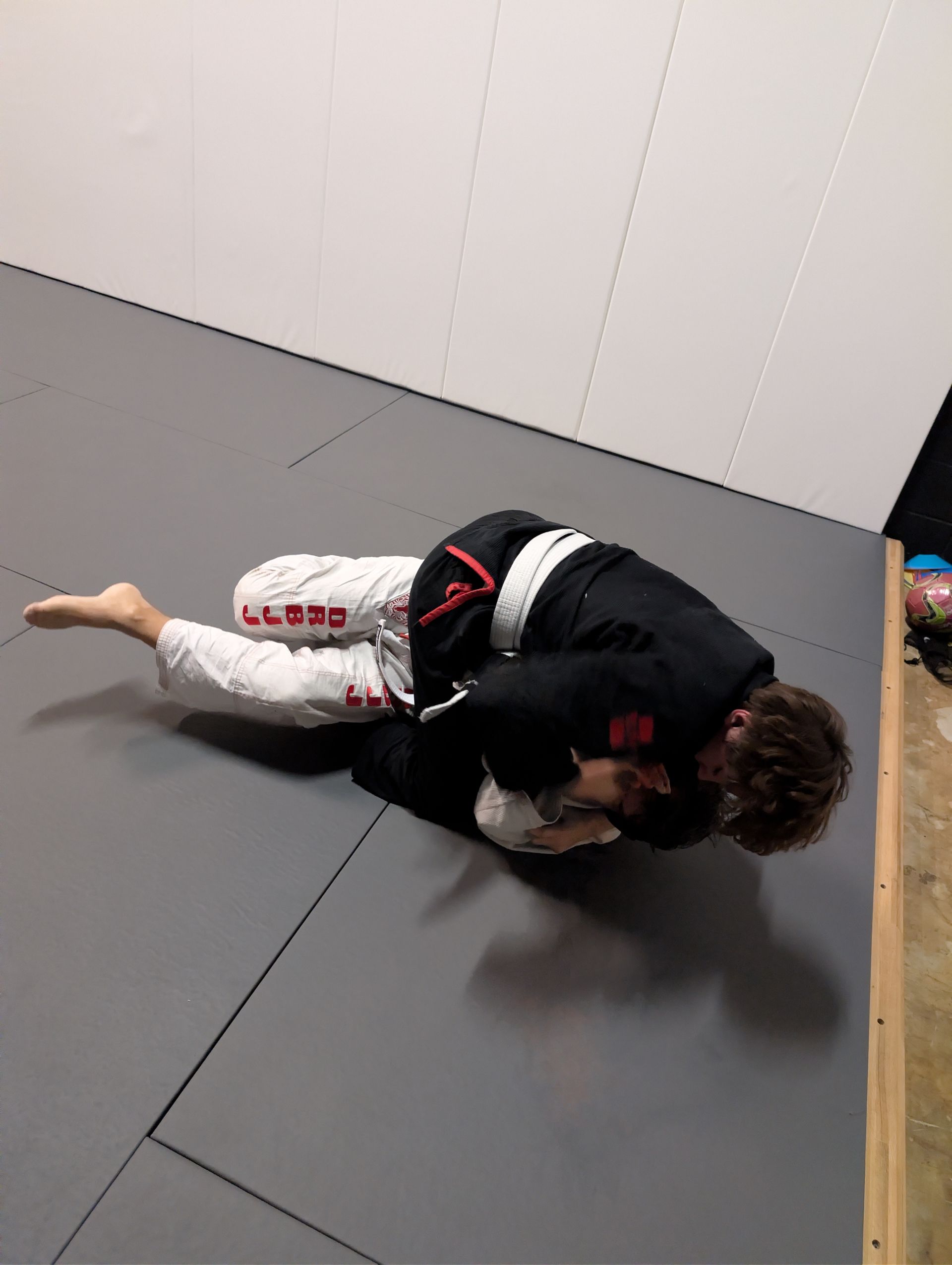
You do not need to be athletic to start, you just need a clear first week and a safe room to learn in.
Brazilian Jiu-Jitsu can look intimidating from the outside, mostly because it is so different from typical workouts. You see people grappling, moving with purpose, and somehow staying calm while doing something that is genuinely hard. The truth is, Brazilian Jiu-Jitsu is built for beginners, and our job is to guide you through the early stages so you do not feel lost on day one.
It also helps to know you are stepping into a sport with real momentum. There are roughly 6 million practitioners worldwide and about 750,000 in the U.S., and interest has climbed sharply over the last two decades. That matters because it means the beginner pathway is well understood: you can start from zero and make steady progress with the right structure.
If you are in Manalapan and you want Martial Arts in Manalapan, NJ that feels practical, adult-friendly, and measurable, this guide breaks down exactly how to begin. We will walk you through what to expect, what to wear, how to train safely, and how to build a routine that fits your life.
Step 1: Understand what Brazilian Jiu-Jitsu actually is (and what it is not)
Brazilian Jiu-Jitsu is a grappling-based martial art focused on control, leverage, and submissions. Instead of relying on punching or kicking, we teach you how to manage distance, off-balance someone, escape bad positions, and control the situation on the ground. In self-defense terms, it is especially valuable because many real altercations end up in clinches or on the ground, where panic and poor positioning can spiral fast.
It is not a “tough guy” activity, and it is not reserved for people who grew up wrestling. In fact, adults often do well because they show up consistently, pay attention to details, and pace themselves. Technique matters more than brute force, and that is a big reason so many professionals and older beginners have been joining the sport.
Step 2: Pick a beginner goal that is simple and measurable
Most people start Brazilian Jiu-Jitsu with one of three goals: self-defense, fitness, or stress relief with a community. You can have all three, but it helps to choose one “anchor goal” for your first month. When training feels awkward (it will, briefly), your goal keeps you steady.
A clean beginner goal might be:
- Train two times per week for four weeks
- Learn three core escapes and practice them calmly
- Improve cardio without destroying your joints
- Show up consistently and learn names, positions, and basic etiquette
The sport’s average training commitment is often cited around six hours per week, but you do not need to start there. We usually recommend two to three sessions weekly at first, then build up as your body adapts and your schedule settles.
Step 3: Know what to wear and what to bring on day one
A lot of beginners delay starting because they think they need a full setup. You do not. For your first classes, we can get you moving in simple athletic clothing. If you are starting no-gi classes, a comfortable t-shirt or rashguard and shorts without pockets are perfect. For gi classes, we can guide you on sizing and timing so you do not buy the wrong thing.
Here is what typically works best for beginners:
- A snug athletic shirt or rashguard that will not twist easily
- Shorts or leggings without zippers or pockets
- Flip-flops or slides for walking off the mat
- A water bottle and a small towel
- Basic hygiene basics: trimmed nails, deodorant, and clean training gear
If you decide to train in a gi later, we will help you choose one that fits your body and your training style. The global gi market is growing fast for a reason, but you do not need to get pulled into gear decisions before you even learn the positions.
Step 4: Learn the “map” before you worry about winning
One of the hardest parts of beginning Brazilian Jiu-Jitsu is that it feels like learning a new language while someone is speaking quickly. We solve that by giving you a simple map: positions first, then objectives, then techniques.
Early on, you will hear words like guard, side control, mount, and back control. Those are not random. They are landmarks. Once you know where you are, every technique has context, and your progress speeds up.
In our beginner pathway, we focus on:
- How to frame and create space when someone is on top
- How to keep balance and posture when you are on top
- How to move your hips and shoulders as a unit (this matters more than strength)
- How to tap early and reset so you can learn more reps safely
You are not supposed to “win” as a beginner. You are supposed to collect small improvements that add up: calmer breathing, better posture, fewer mistakes, and a growing ability to recognize what is happening.
Step 5: Expect a friendly culture, plus clear rules that keep everyone safe
BJJ is close-contact training, so culture and safety rules are not optional. They are the foundation. We keep the room structured and respectful so you can train hard without feeling like you are in survival mode.
If you are new, these are the etiquette points that make everything smoother:
- Tap early when you feel pressure or a submission coming on
- Ask questions, but also accept that timing matters during class
- Keep your nails trimmed and your gear clean
- Avoid coaching your partner unless an instructor asks you to help
- Move with control, even when you are tired and competitive instincts kick in
This matters because, while BJJ is generally safe, injury awareness is real. Research on emergency department visits shows sprains and strains are common, particularly around the upper trunk and shoulder, and toes and shoulders can be vulnerable for fractures or dislocations. Good coaching, proper warm-ups, and controlled training reduce risk in a very practical way.
Step 6: Follow a simple first-month training plan
Beginners do best with a plan that is boring in the best way. Consistency beats intensity. Your body needs time to adapt to grips, pressure, and unfamiliar movement patterns, and your brain needs repetition to keep techniques accessible under stress.
Here is a straightforward first month that works well for Adult Jiu-Jitsu in Manalapan, NJ:
1. Week 1: Focus on survival basics
Show up, learn how to breakfall, understand tapping, and practice one escape with calm breathing.
2. Week 2: Add one positional goal
Pick a position like closed guard or side control and learn what “good” posture or frames look like there.
3. Week 3: Add controlled sparring rounds
Roll lightly with clear constraints, like starting from knees or starting from a set position, so you learn without chaos.
4. Week 4: Track one improvement
Measure something real: fewer panicked moments, better guard retention, or escaping side control once per round.
If you want to train more than two to three times weekly, great. Just keep at least one day as recovery-focused, because soreness can sneak up on you in week two.
Step 7: Understand what you will learn in a typical beginner class
A beginner class should feel structured, not random. We usually start with a warm-up that prepares your joints and breathing, then move into technique, then drilling, then situational rounds or light sparring depending on the day and the group.
A typical class experience includes:
- Movement fundamentals like hip escapes and technical stand-ups
- One to two techniques that connect to a position you will actually see while rolling
- Reps with feedback so you learn the “why,” not just the steps
- Short rounds where you can try the technique in a realistic way
- A cool-down moment where questions get answered and concepts click
You will probably leave your first class sweaty and a little surprised, in a good way. It is a different kind of tired. Your muscles worked, but so did your attention.
Step 8: Reduce injury risk with a few habits that matter
Brazilian Jiu-Jitsu is physical, and like any sport, injuries can happen. Most preventable problems come from two places: moving too explosively in bad positions, and waiting too long to tap.
We emphasize habits that keep you training long-term:
- Tap early, especially to joint locks, and treat tapping as smart training
- Warm up your shoulders, neck, and hips before intensity rises
- Focus on posture and frames instead of trying to bench-press someone off you
- Communicate with your partner if you have an injury or need a lighter pace
- Take recovery seriously: sleep, hydration, and basic mobility work
If you want to train for years, the goal is not to “win practice.” The goal is to accumulate quality sessions.
Step 9: Fit training into real life in Manalapan
A common barrier for adults is scheduling. You have work, family, commutes, and a brain that is already full. We design our class schedule so you can build a routine without needing to reorganize your entire week.
If you are starting from scratch, a simple rhythm works:
- Two weekday classes for skill building and consistency
- Optional weekend session for extra reps and community time
- A short mobility routine on non-training days, even ten minutes helps
Because Brazilian Jiu-Jitsu is low-impact compared to striking-heavy arts, many adults find it sustainable. You are learning control and leverage more than you are absorbing impacts, and that makes it a strong choice for long-term fitness and self-defense.
Step 10: Decide between gi and no-gi without overthinking it
Beginners often ask when to start wearing a gi. The practical answer is: start where you feel comfortable, and let your goals guide the rest. Gi training slows the pace and adds grips, which can sharpen control and detail. No-gi tends to be faster and more movement-heavy, which can feel more athletic.
We coach both with beginner-friendly progressions. If you are unsure, begin with what is available on the class schedule and commit to a month. Once you have mat time, the decision becomes obvious because you will feel what you enjoy and what helps your goals.
Take the Next Step
Building real skill in Brazilian Jiu-Jitsu is not about being fearless, it is about being willing to practice the fundamentals until they become yours. If you are ready to start Martial Arts in Manalapan, NJ in a way that feels structured, adult-focused, and welcoming, we have built a clear beginner pathway that removes the guesswork.
When you train with Lucky Cat Grappling Co., you get coaching that respects your starting point while still challenging you to improve each week. If your goal is Adult Jiu-Jitsu in Manalapan, NJ that you can stick with for the long run, we would love to help you begin with confidence and a plan.
New to Brazilian Jiu-Jitsu? Start your journey with a beginner-friendly class at Lucky Cat Grappling Co.